Ieva Kasemira
Special thanks to Ieva Kasemira, principal collaborator and strategist, whose counsel, clarity and sustained partnership have helped shape the concept and execution of Ọkpara House.

ỌKPARA HOUSE CHICAGO · BEGUN 2021 · PHYSICAL PROJECT PAUSED
The first architectural proposition for a permanent Ọkpara House—and an important opening chapter in the life of the institution.
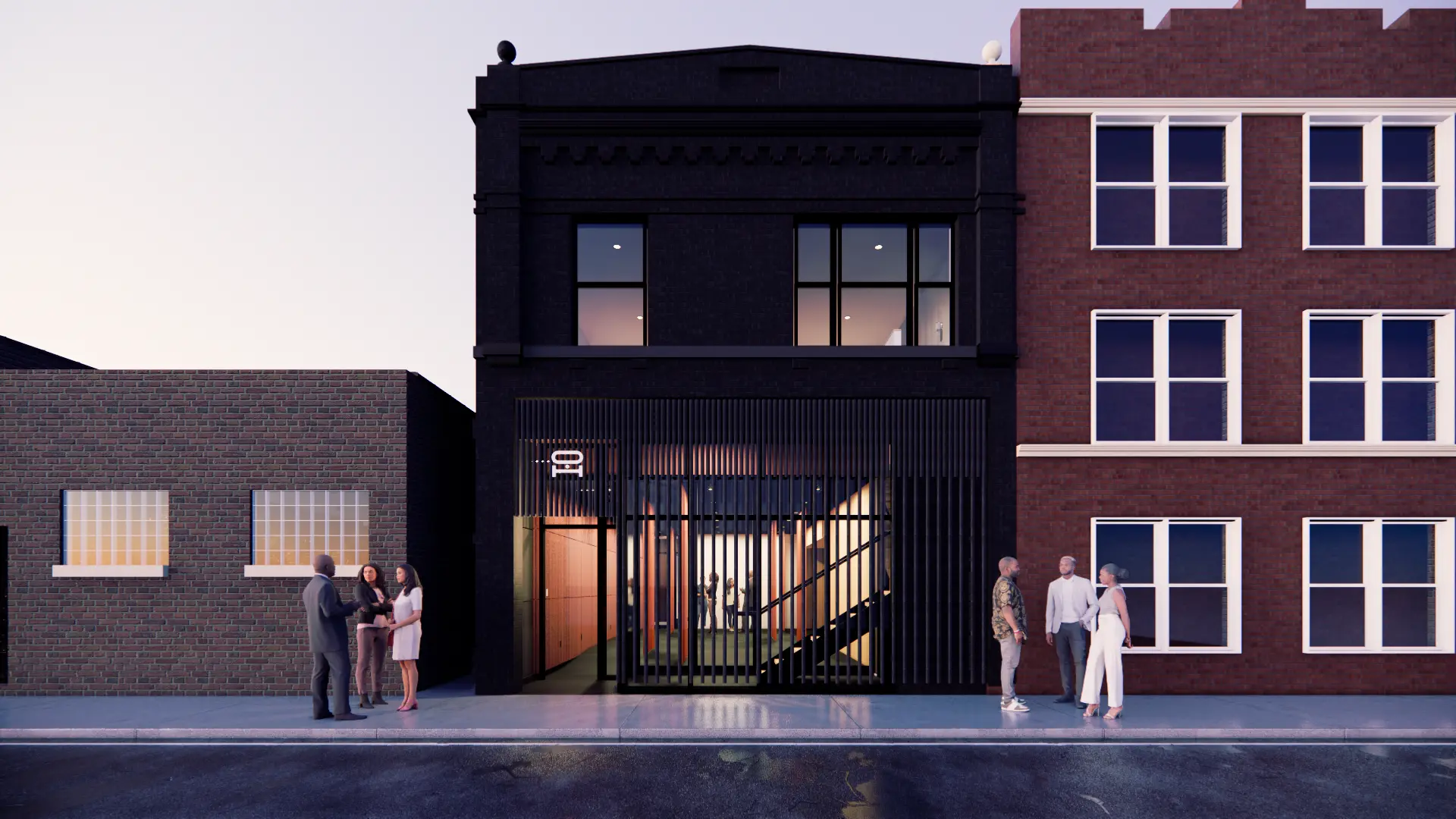
THE FIRST PHYSICAL PROPOSITION
The vision for a physical Ọkpara House Chicago began in 2021. What followed was several years of imagining, planning, advocacy, architectural work and institution-building around a simple but ambitious idea: to create a permanent cultural home in Chicago dedicated to the recovery, preservation and contemporary expression of Igbo and Nigerian cultural knowledge.
The project proposed transforming an existing two-story masonry building into a center for design, dialogue and creative research. Flexible cultural spaces, a renewed public facade and a longer-term campus plan would establish a welcoming place for the community and give the institution a distinct architectural identity.
THE 2022 CONCEPTUAL STUDY
An early study by Cerda, Froelich & Associates imagined Ọkpara House as a sequence of public thresholds: a strong street presence, a transparent entry, spaces for exhibition and gathering, and a courtyard capable of extending the life of the institution outdoors. These images record one stage in the project's architectural evolution, before its later development with Future Firm.
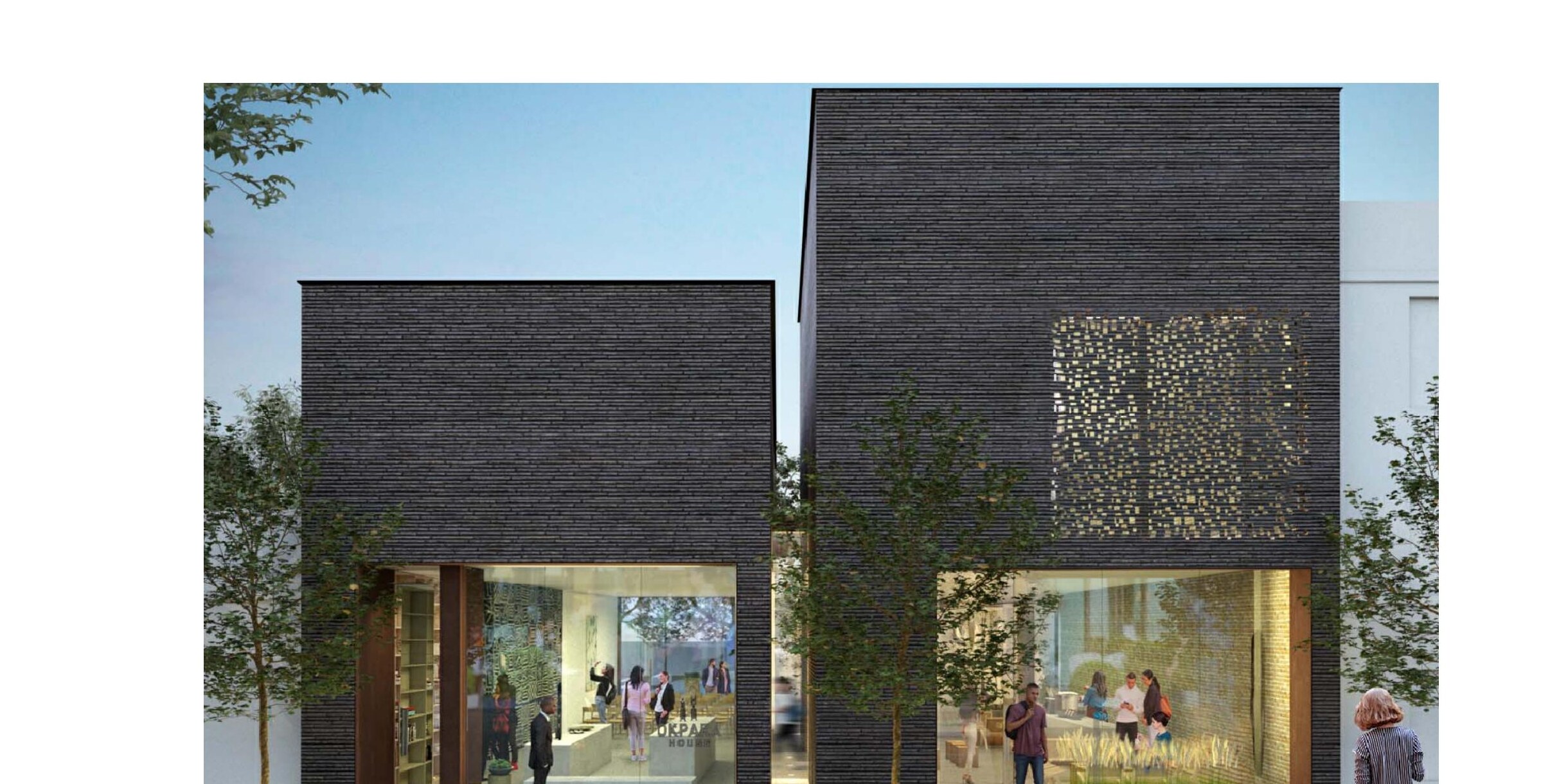
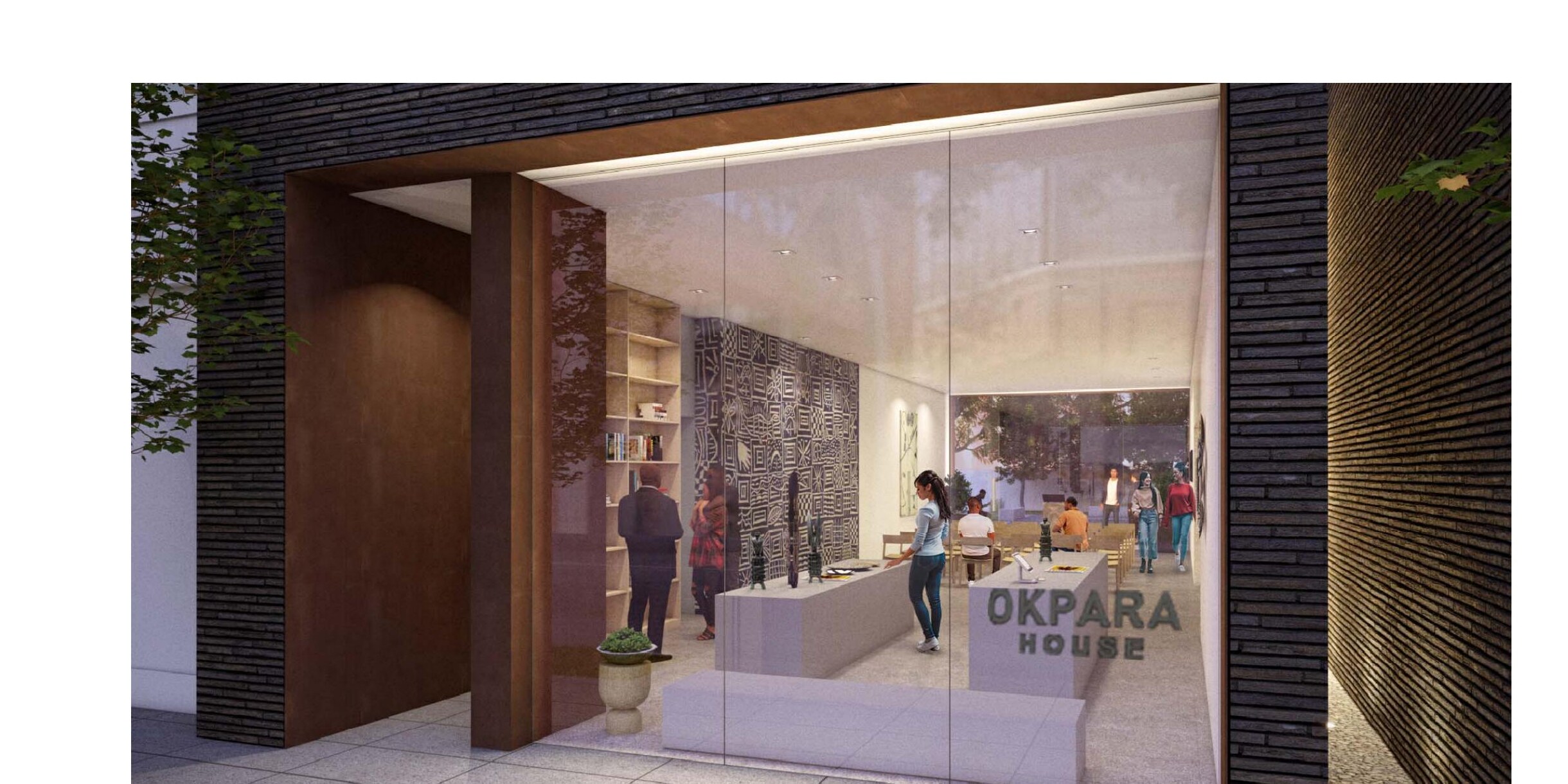
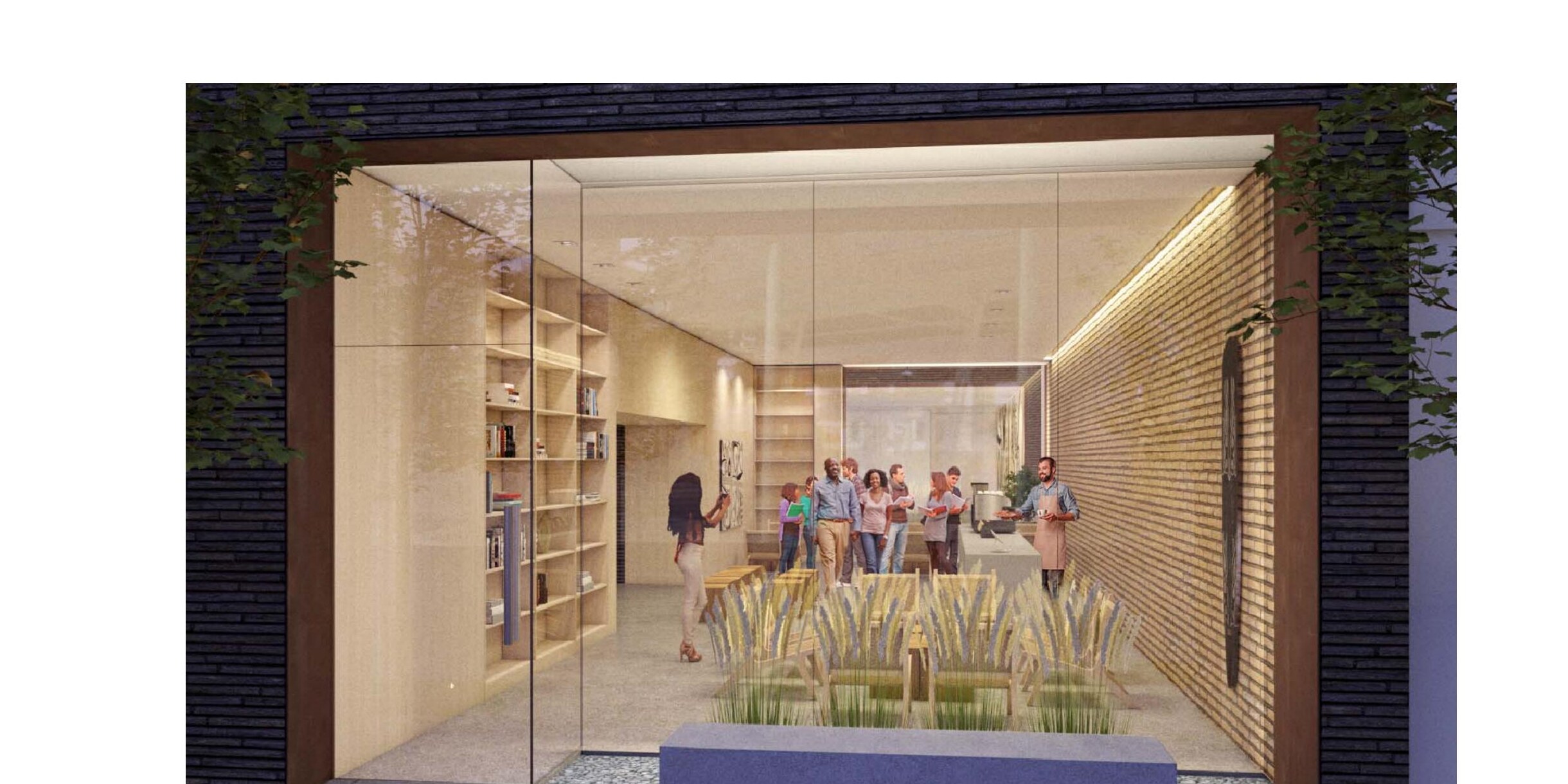
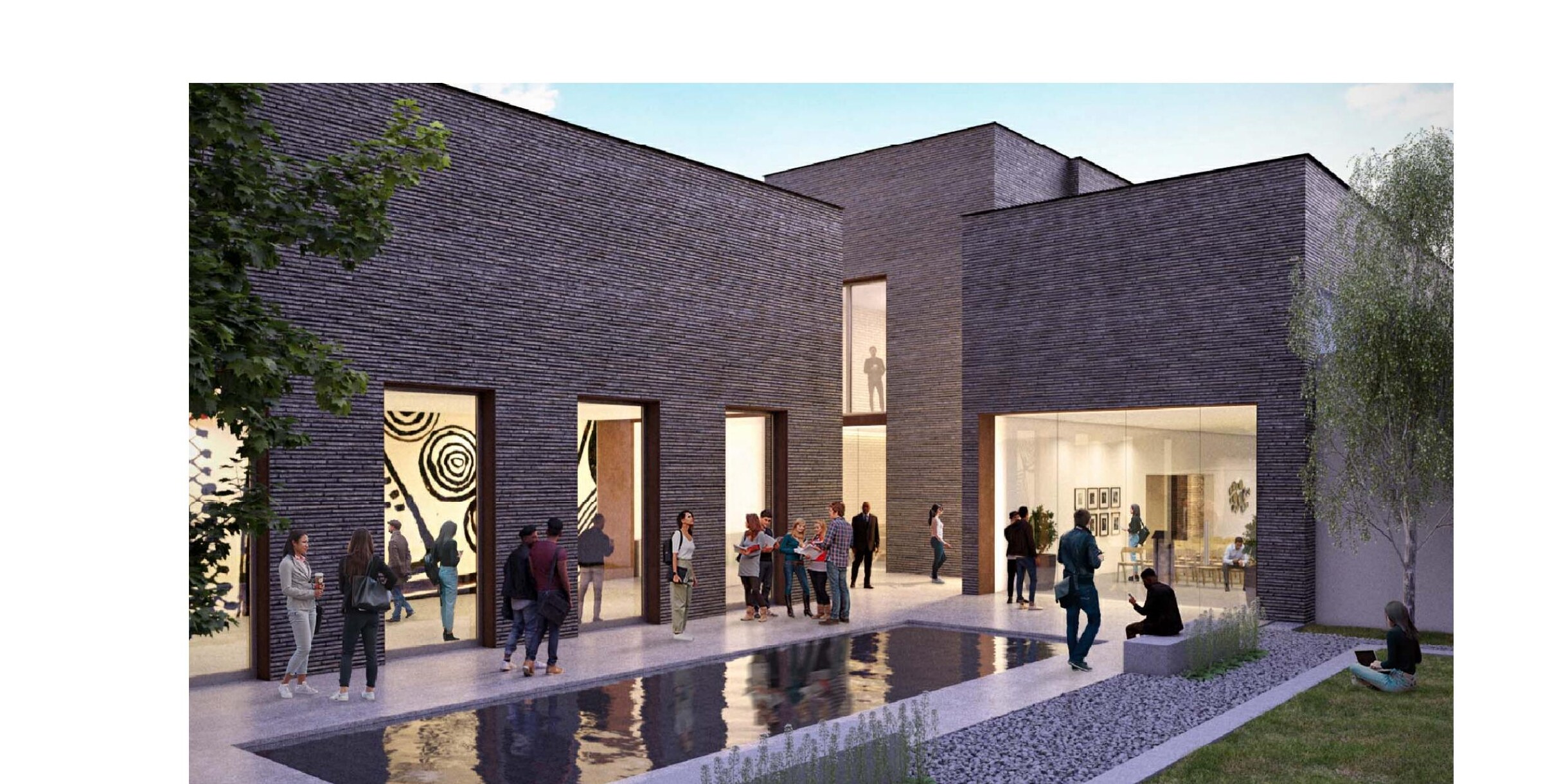
Conceptual study and renderings: Cerda, Froelich & Associates, 2022.
RECOGNITION AND INTERRUPTION
By 2023, Ọkpara House had been selected by the City of Chicago as a finalist for the Chicago Recovery Plan Community Development Grant program, with a conditional grant amount of $250,000 toward the project’s development. It represented an extraordinary vote of confidence in what Ọkpara House could become.
Unresolved bureaucratic and administrative hurdles ultimately prevented us from satisfying the conditions required to move into construction and receive the funding. Rather than compromise the vision or continue indefinitely within circumstances that made its realization impossible, we made the difficult decision to suspend the physical project.
The idea, however, was never abandoned.
WITH GRATITUDE
Special thanks to Ieva Kasemira, principal collaborator and strategist, whose counsel, clarity and sustained partnership have helped shape the concept and execution of Ọkpara House.
We owe an enormous debt of gratitude to Cecilia Cuff and her remarkable team at Nascent Group. Cecilia understood what we were attempting to build and advocated for it with extraordinary commitment, helping bring Ọkpara House to the attention of those who could help make it possible.
The 2022 conceptual study gave the project an early architectural language and tested how the existing site might become a public cultural house. Its renderings preserve an important stage in the development of the Chicago vision.
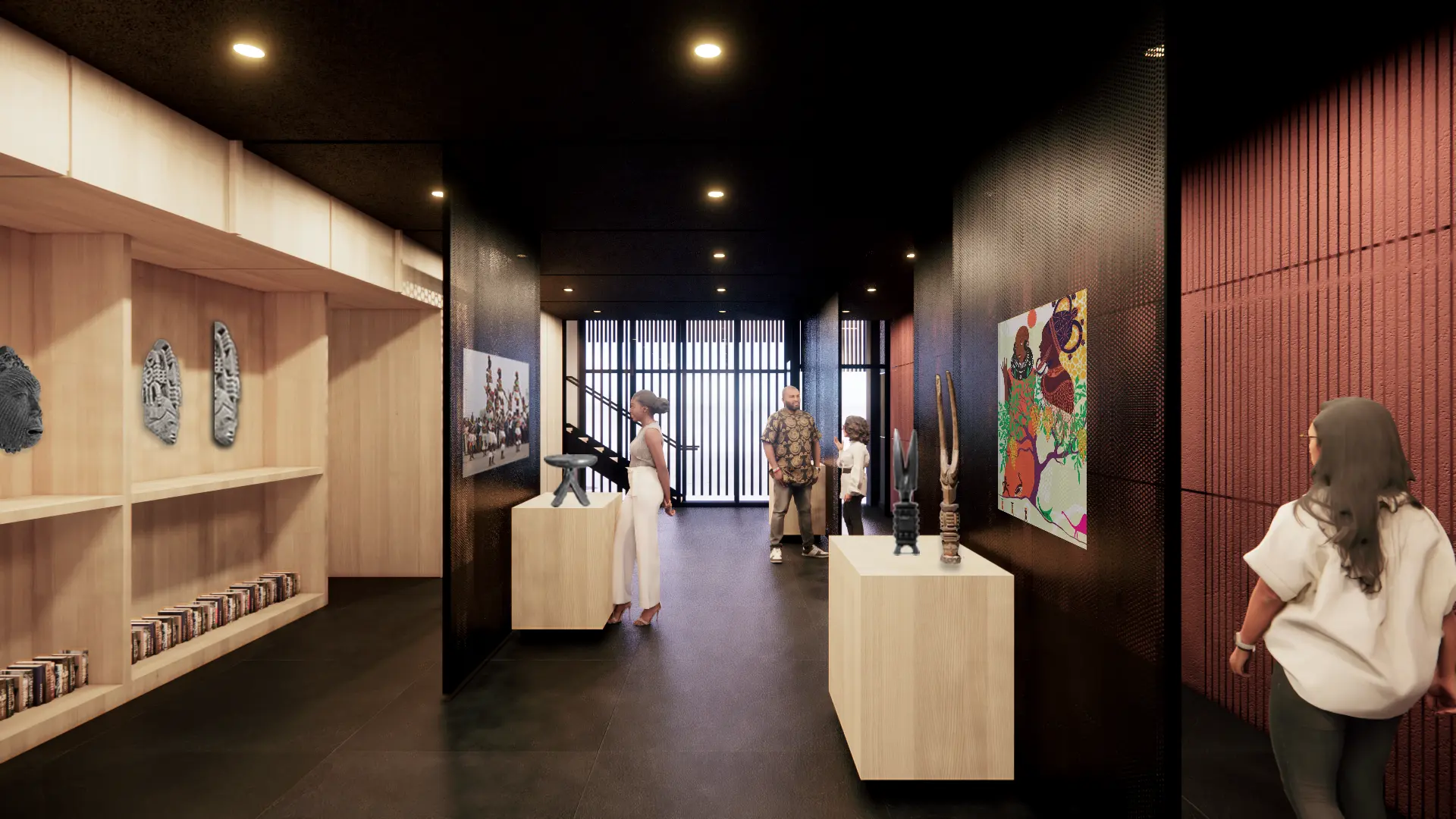
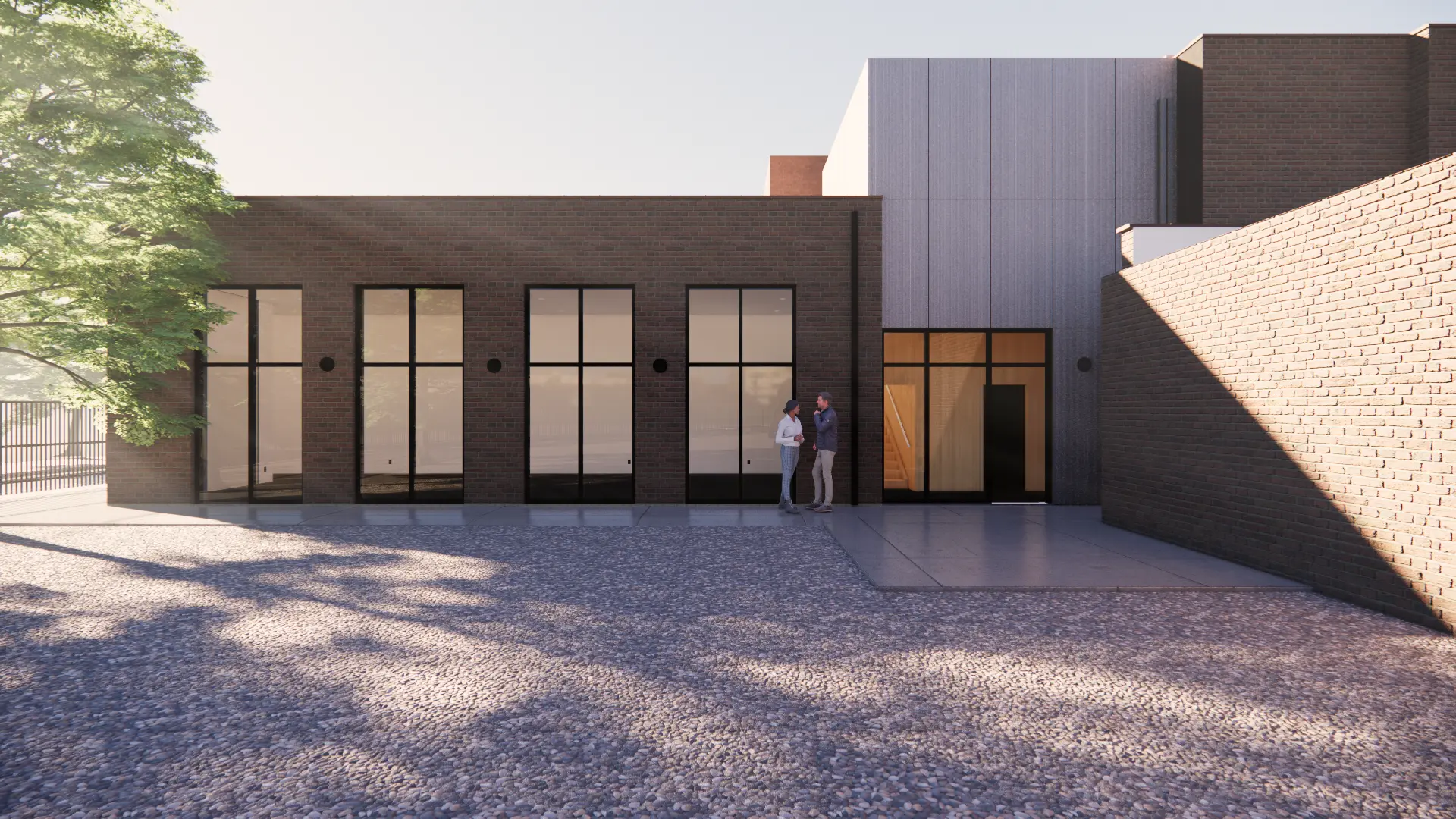
Our profound thanks go to Future Firm and its founding partners, Ann Lui and Craig Reschke, who translated the vision beautifully into architectural form. Through their work, Ọkpara House moved from an idea into a place that could be seen, inhabited and imagined within the fabric of Chicago.
We are equally grateful to the City of Chicago and the Department of Planning and Development. Their support recognized the possibility of an institution rooted in the Nigerian and Igbo experience while contributing to the wider cultural life of Chicago.
Many others advised us, advocated for us, opened doors, contributed ideas and believed that such a place belonged in Chicago. We cannot name everyone here, but their support has not been forgotten.
THE NEXT CHAPTER
The circumstances that once prevented the project from moving forward have changed. Ọkpara House itself has also evolved. The years since 2021 have given us greater clarity about what the institution is, what it must do and what a physical house should ultimately contain.
We therefore do not regard the suspended project as a failure, but as an important first chapter in a longer institutional journey. At the appropriate time, we will consider what it means to return to the idea of a physical Ọkpara House Chicago—not simply by restarting where we stopped, but by asking what kind of house the work now requires.
The building was paused.
The work was not.